
The Perfect Beer Pour: What Goes Into Great Beer Photography
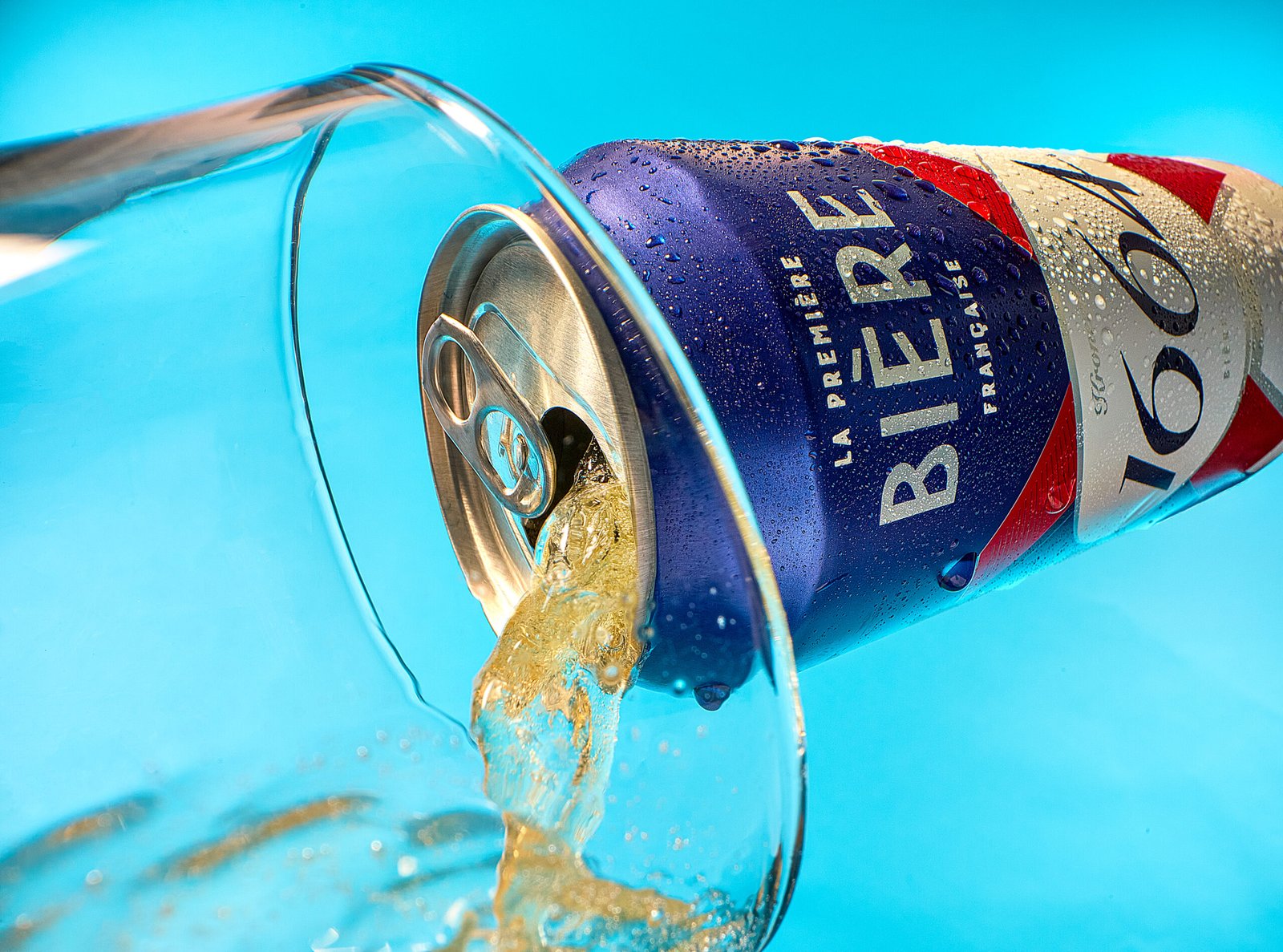
Ask any brewery marketing team what their hardest product to photograph is, and beer usually tops the list. Achieving the perfect beer pour is the holy grail of drink photography. Wine holds still. Cocktails can be built and rebuilt. Beer, on the other hand, is fighting you the entire time — the head collapses, the condensation runs, the carbonation dies, and you’ve got a matter of seconds before the shot you had in your head is gone.
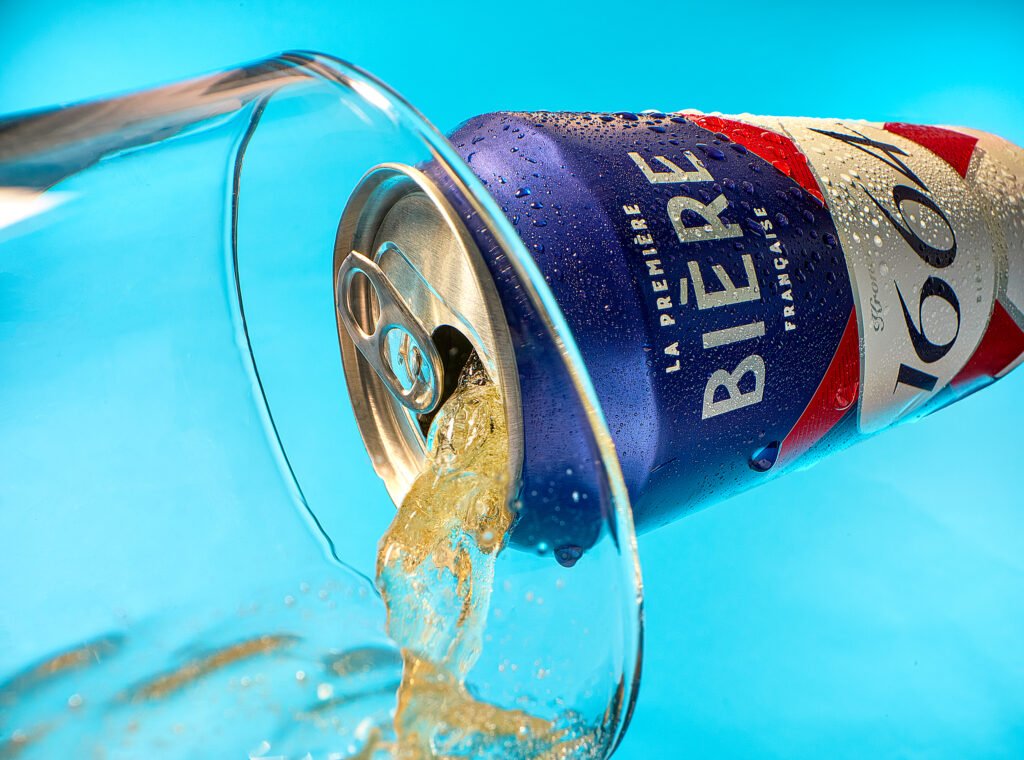
As a commercial food and drink photographer working with breweries and hospitality brands across London, beer pours are some of my favourite briefs to shoot. Here’s what actually goes into getting that image — the one with the perfect two fingers of foam, the light catching every bubble, the glass looking cold enough to sweat through the screen.
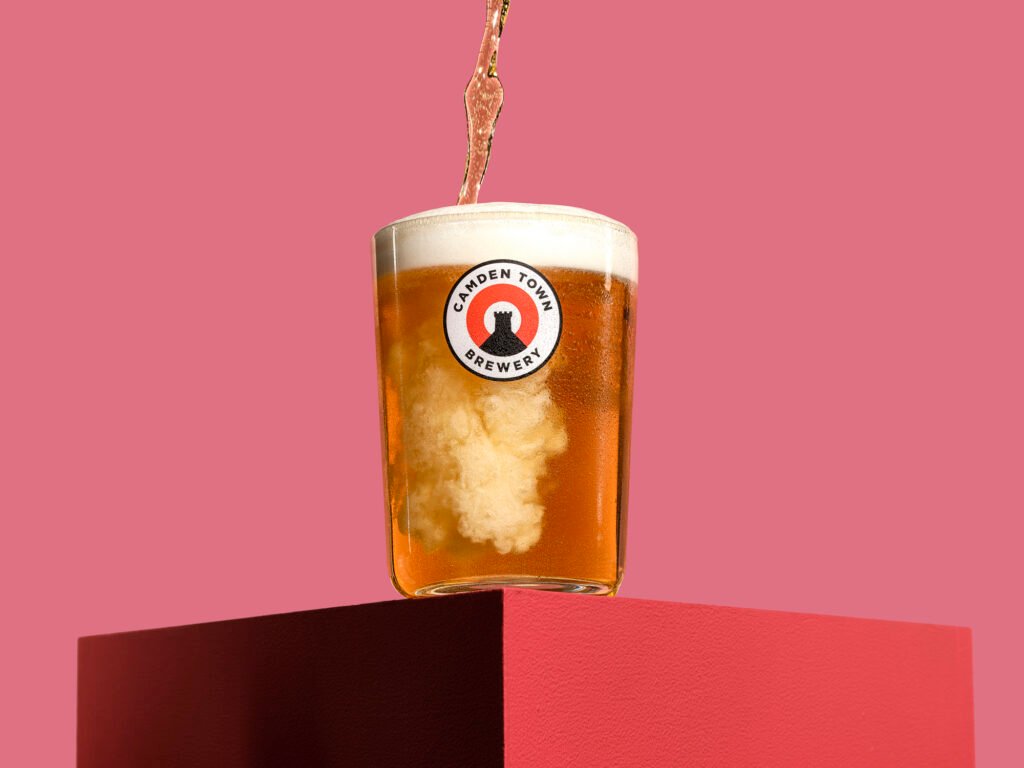
Why beer is harder than it looks
A glass of beer is really three separate photography problems stacked on top of each other:
- The liquid — colour, clarity, and whether it’s carbonated enough to read as “alive” in a still image
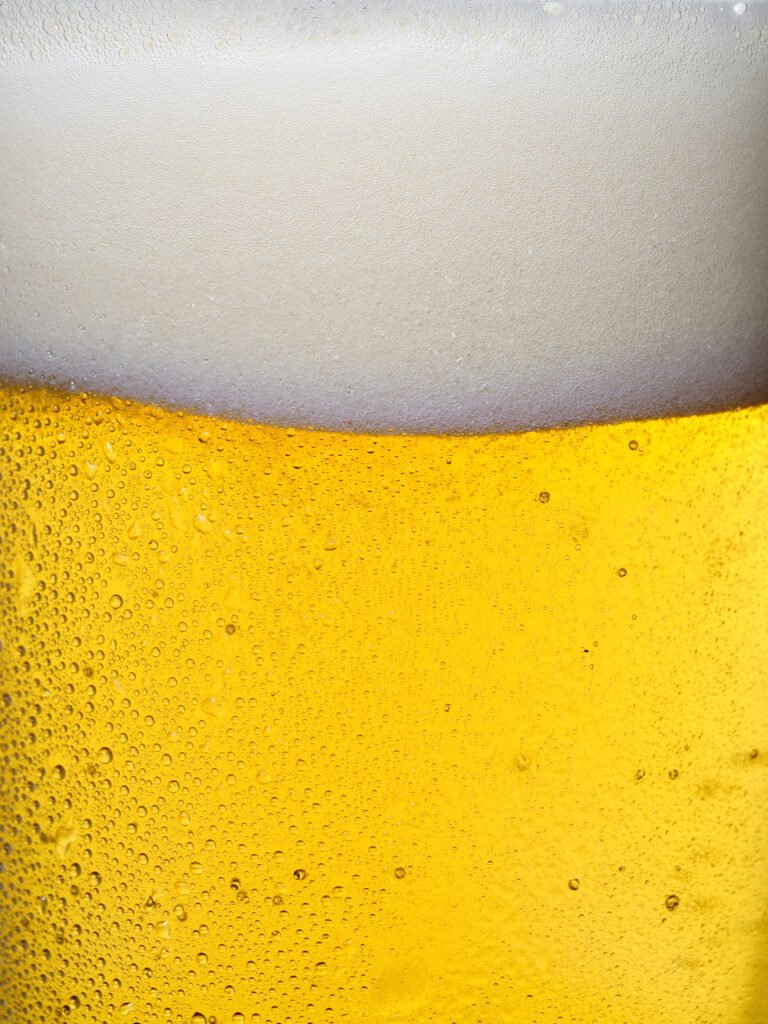
- The head — how it forms, how long it holds, and how the bubble structure looks under studio light
- The glass — condensation, reflections, and fingerprints, all of which show up mercilessly at high resolution
Get any one of these wrong and the whole image falls apart, no matter how good the lighting is. This is why beer photography isn’t really a lighting skill first — it’s a timing and technique skill first, with lighting built around it.
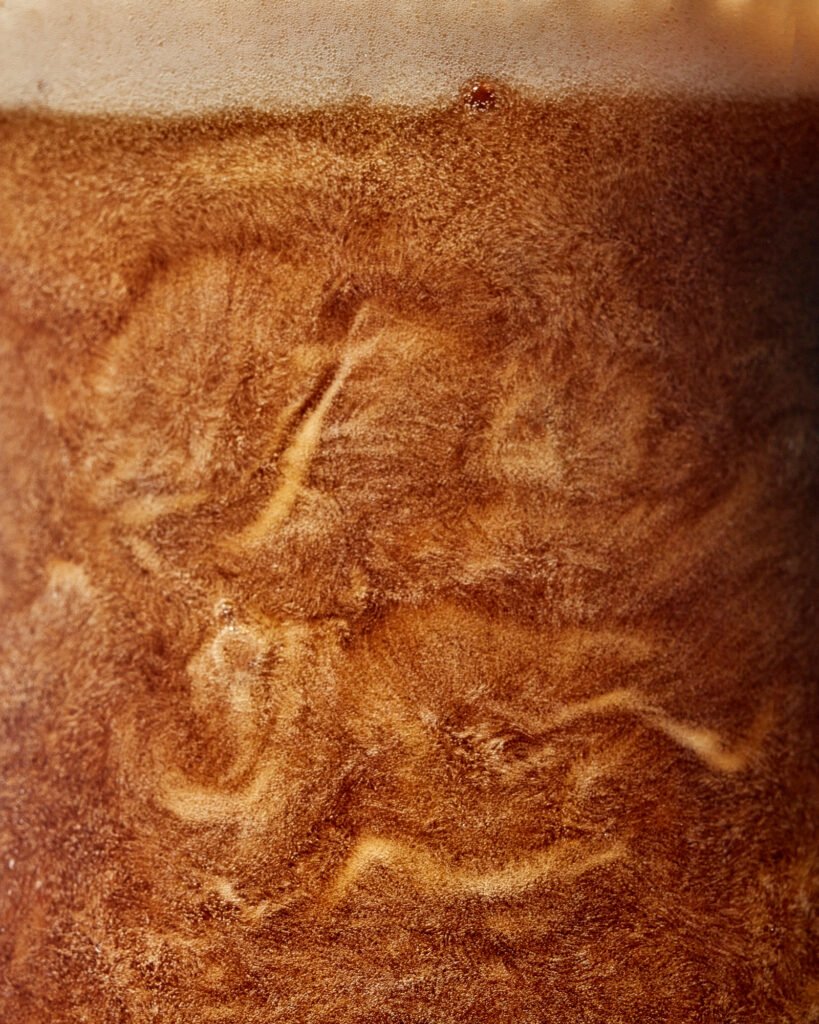
The perfect beer pour is the shot
Most client briefs ask for the pour itself — beer hitting the glass, head building, maybe a splash caught mid-air. That image typically isn’t one lucky frame. It’s usually a rehearsed sequence: pouring from a fixed height and angle repeatedly, with the camera on a high-speed burst or triggered flash to freeze the exact moment the pour looks most dynamic.
A few things make the difference between a pour shot that looks staged and one that looks alive:
- Consistent pour technique. Same bottle or tap height, same angle, same speed — every time. Beer is unpredictable enough without adding variables.
- Fresh beer, every take. Once carbonation drops, the head won’t rebuild properly. Professional beer shoots go through far more product than people expect, simply because you can’t reuse a pour.
- Fast flash duration. Ambient light alone won’t freeze a splash. Short flash duration is what actually stops the motion crisply rather than blurring it.
Lighting a glass without lighting yourself into it
Glass and liquid are reflective by nature, so the biggest technical challenge in a beer shot isn’t the beer — it’s controlling what the glass shows back to camera. Softboxes, black flags, and careful positioning of anything shiny in the room (including the camera and photographer) all come into play, because a glass will happily reflect a studio ceiling, a light stand, or a stray phone screen if you let it.
Backlighting is particularly effective with beer because it lights the liquid through itself, which is where a lot of that “golden glow” look in beer photography actually comes from — it’s not colour grading, it’s light passing through the glass and catching the carbonation.
Styling: condensation, garnish, and restraint
Condensation is one of the most requested details in beer photography and one of the hardest to fake convincingly. Real condensation, built up naturally by chilling the glass beforehand, still photographs better than most sprayed-on alternatives — the droplet size and distribution are simply more irregular and lifelike.
Beyond that, beer styling tends to work best with restraint. A well-poured glass with clean light rarely needs props to carry the shot. Where garnish or context does help — a hop cone, a coaster, a taproom backdrop — it should support the beer, not compete with it.
Why this matters for breweries and hospitality brands
Good beer photography isn’t just about a nice image for Instagram. For breweries, distributors, and pubs, it’s doing commercial work: it’s what sits on a can redesign, a tap list, a menu, or a website hero image, often for years. That’s a strong reason to treat it as a proper studio production rather than a quick phone shot on packaging day — the image typically outlives the batch it was shot for.
If you’re a brewery, bar, or drinks brand in London looking to get your product photographed properly — pours, packshots, or full campaign work — that’s exactly the kind of project I take on. Drink portfolio / contact page
You can also view my work at my agents website www.agentatlarge.co.uk where you can see more of my perfect beer pour photographs