
The Perfect Food Drip: Why Agencies Can’t Get Enough of Food Porn’s Favourite Shot
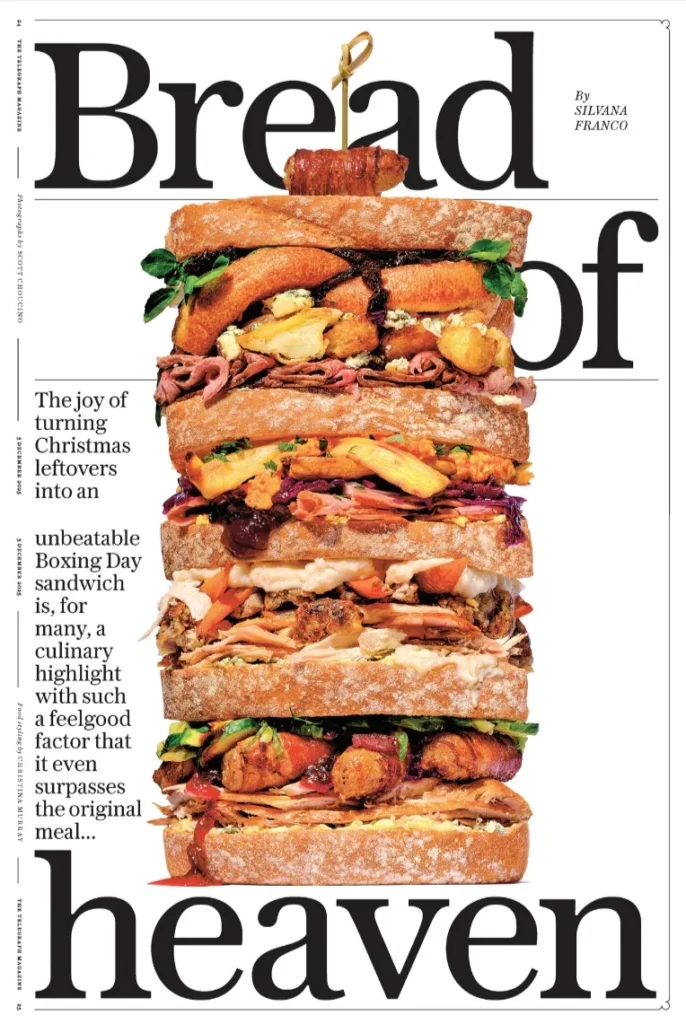
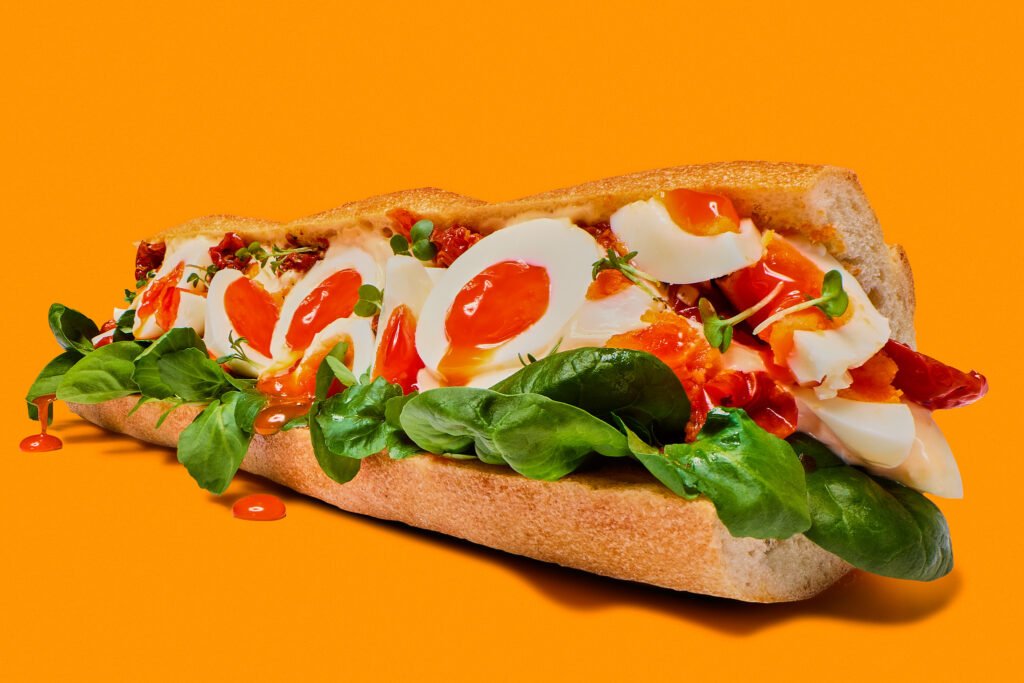
You can see more at www.scottchoucino.com or at my agents website www.agentatlarge.co.uk
There’s a reason “drip” shots dominate every mood board that lands in my inbox. Honey suspended mid-fall off a spoon. Chocolate sauce caught halfway down a stack of pancakes – The perfect food drip. Condensation racing down an ice-cold can. A cheese pull frozen at its most obscene stretch. Agencies don’t ask for these shots because they’re trendy — they ask because they work. A perfect drip is the single fastest way to make a viewer’s mouth water before they’ve even registered what the product is.
I’ve been shooting food and drink for advertising and packaging for the best part of fifteen years, and if there’s one brief note that comes up again and again, it’s some version of “can we get something dripping/pouring/oozing in there.” So let’s talk about why the drip shot is the backbone of food porn photography — and what actually goes into making one look effortless.
Why drips do the heavy lifting
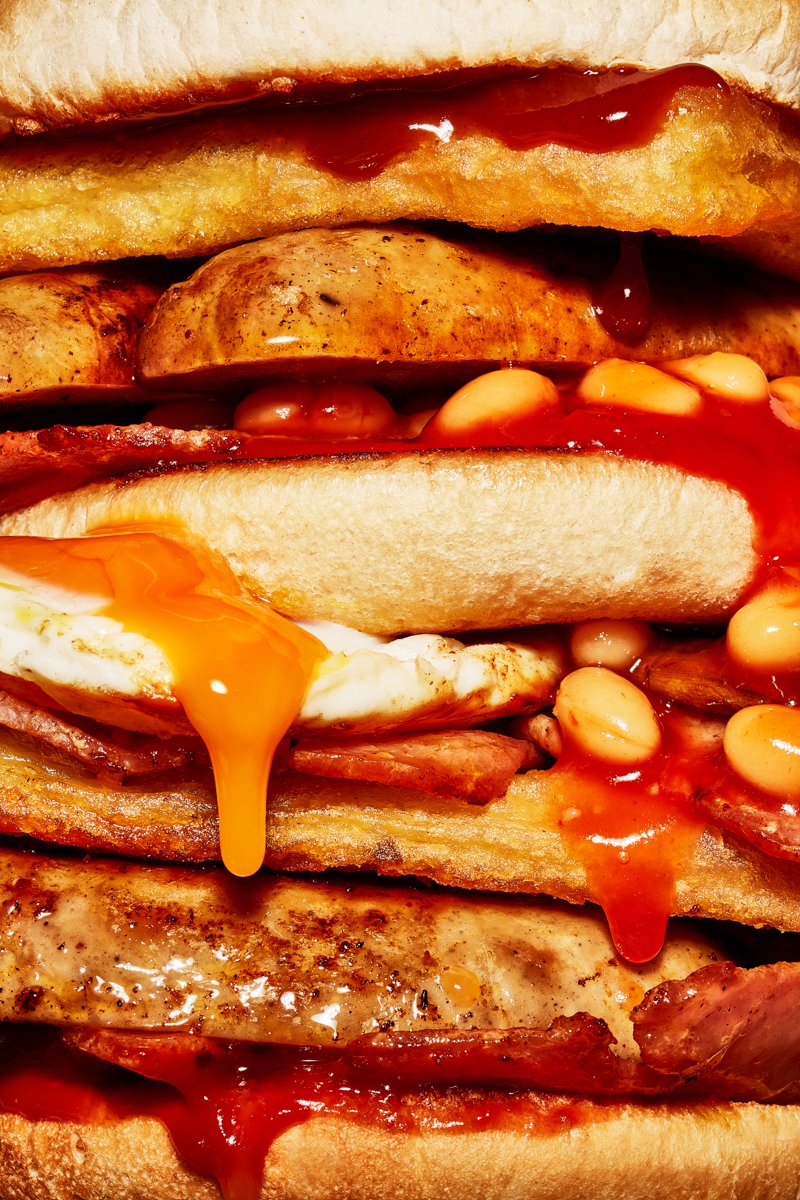
A static plate of food, no matter how well styled, asks the viewer to imagine texture. A drip shows it to them. Movement implies freshness, indulgence and generosity — three things every food and drink brand wants associated with their product. It’s the difference between “here is a burger” and “here is a burger so good the cheese hasn’t even finished falling yet.” One is a photo. The other is a craving.
That’s the whole game with food porn imagery: you’re not really selling the food, you’re selling the anticipation of eating it. A drip is anticipation, frozen.
The mechanics behind the magic
Here’s what agencies rarely see on the mood board: a genuinely good drip shot is one of the most technical setups in food photography. It’s not just squeezing a bottle of syrup and hoping for the best.
- Timing is everything. Real drips move fast and look nothing like a “drip” for most of their fall — they’re a blur, a splash, a mess. Getting that one frame where gravity, viscosity and light line up perfectly usually means dozens, sometimes hundreds, of attempts.
- Viscosity is engineered, not accidental. Honey drips differently to chocolate ganache, which drips differently to a thinned-down hero sauce that’s been doctored by a stylist to hold its shape under hot studio lights without melting into soup. Food stylists will often warm, cool, or thicken a product specifically so it performs for camera.
- Lighting sculpts the drip. A drip is basically a moving lens. Backlighting or a hard side light through the drip is what gives you that glossy, glass-like highlight running down its length — without it, a drip just looks wet, not delicious. This is where studio kit (softboxes, snoots, flags) earns its keep.
- High-speed capture freezes it. Whether it’s strobes with a short flash duration or high frame-rate video for a cinemagraph, you need enough speed to stop the motion without losing the sense that it’s still moving.
Beyond the classic pour: the drip family
When clients say “drip” on a brief, they usually mean one of a few close cousins:
- The pour — liquid hitting liquid, splashing over ice, or filling a glass mid-motion. Brilliant for drinks photography, especially with condensation already building on the glass.
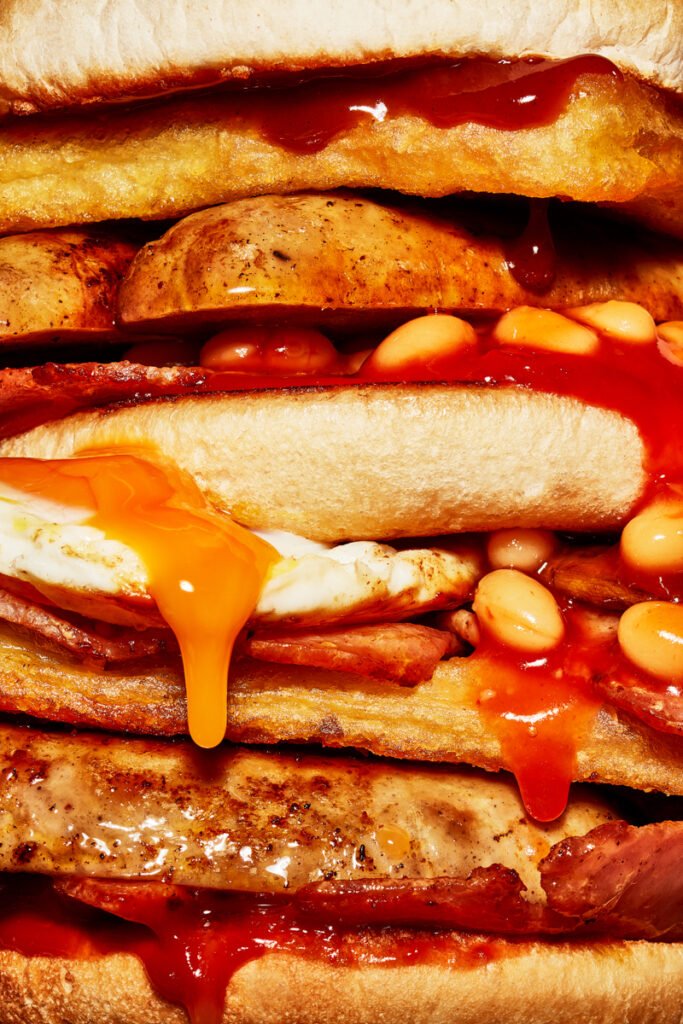
- The ooze — melted cheese, runny egg yolk, molten cake centres. Slower, thicker, heavier — all about indulgence rather than speed.
- The splash — the more chaotic sibling of the drip, usually used for freshness cues (a berry dropping into water, a citrus wedge hitting a cocktail).
- The condensation crawl — not technically a drip of the product itself, but a droplet running down a chilled can or bottle does exactly the same psychological job: it screams “cold, fresh, drink me now.”
All four share the same job on a mood board: injecting motion and craving into what would otherwise be a still life.
What makes a drip shot mood-board-worthy
If you’re building a board and want to brief a photographer properly, the best reference drips usually share a few things:
- A clean, uncluttered backdrop so the drip itself — not the background — is the hero.
- A single, decisive point of focus, usually where the drip meets the food below.
- Colour contrast between the drip and its surface (dark chocolate on pale ice cream, golden honey on burnt toast).
- A sense of “just happened, about to happen again” — the best drip shots feel like a loop, even as a still.
Bringing it to your campaign
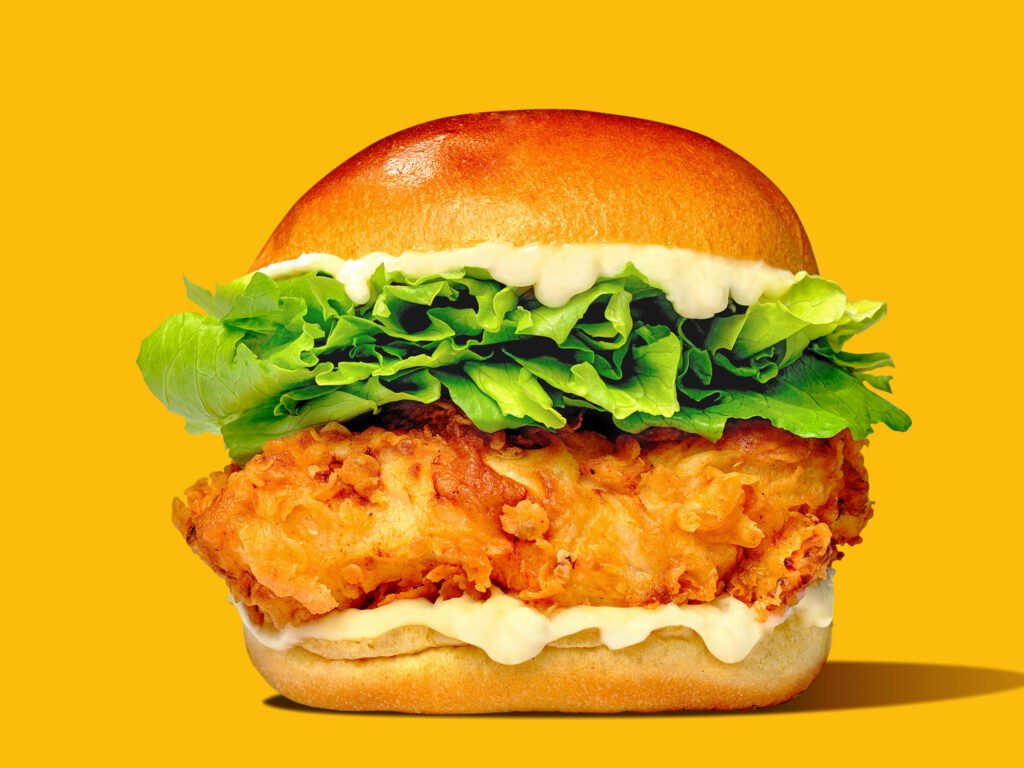
This is exactly the kind of shot I love getting a brief for, because it sits right at the intersection of technical precision and pure appetite appeal — which is where the best food and drink advertising photography lives. Whether it’s a hero pour for a drinks campaign, a chocolate drip for packaging, or a full cinemagraph loop for social, it’s built the same way: careful food styling, controlled lighting, and a camera fast enough to catch the one frame that makes people stop scrolling.
If you’re pulling together a mood board and a drip shot is on it, get in touch — it’s one of my favourite briefs to shoot, and I’ve got the studio kit, the stylists, and the patience for the hundredth take to get it right.